Selecting solar Glow Roses for Modern Yards
 Priya RamanSenior Analyst
October 24, 2026 — The integration of photovoltaic technology into ornamental horticulture has reached a new peak with the adoption of solar Glow Roses in residential landscapes. This shift reflects a growing consumer demand for lighting solutions that provide aesthetic consistency during daylight hours and reliable illumination after dusk.
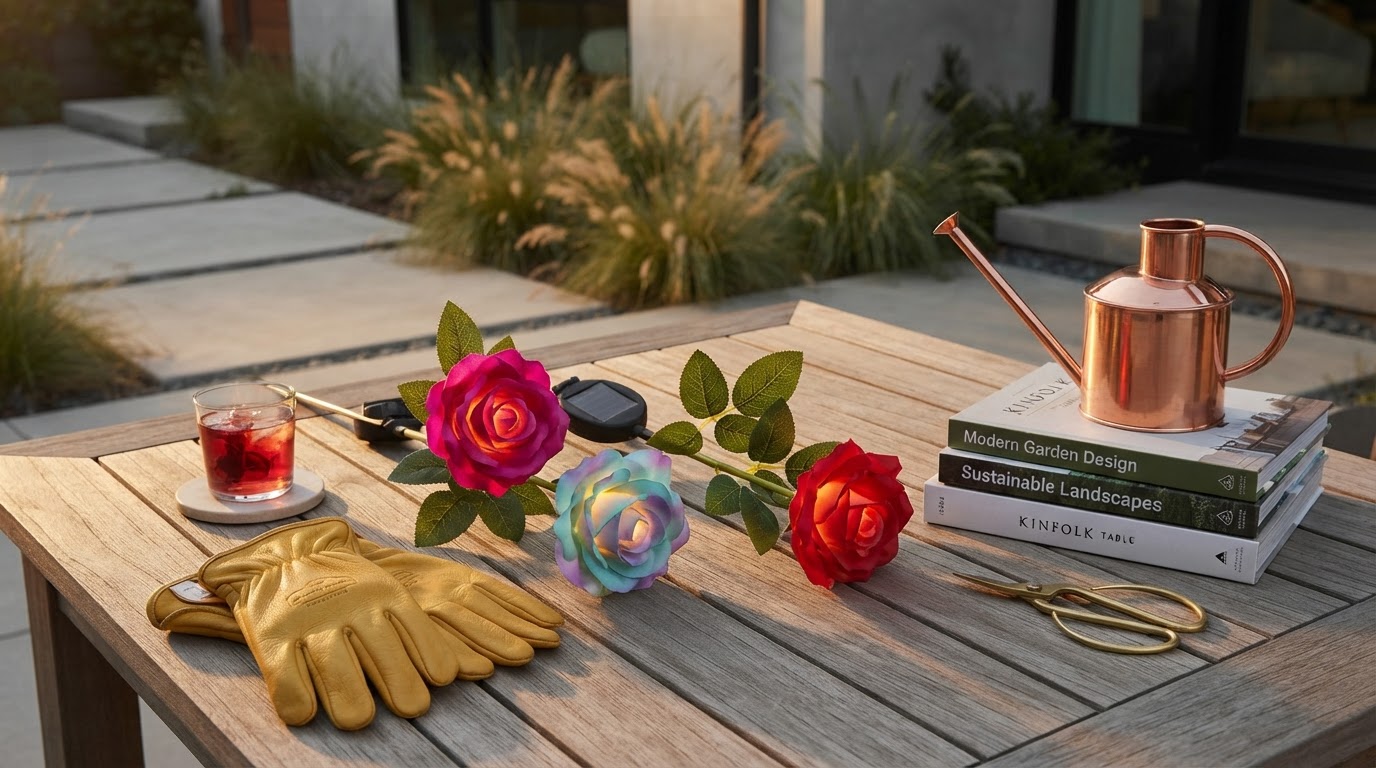
Selecting high-quality glowing artificial roses requires a technical understanding of how synthetic materials interact with solar components. As noted by GIGALUMI, premium artificial roses are typically constructed using high-quality fabric petals supported by resilient ABS plastic and reinforced iron wire stems to ensure structural integrity in outdoor environments. When evaluating these products, think of it as a matrix of durability versus visual fidelity. The market currently distinguishes between basic decorative stakes and advanced integrated systems like solar Glow Roses, which prioritize realistic petal texture alongside weather-resistant internal electronics. Understanding these distinctions is critical for maintaining a cohesive garden aesthetic across different seasons.
The Three-Axis Selection Model
When investing in solar Glow Roses, two axes matter here: material resilience and lighting versatility. The first axis, material resilience, dictates how the fabric and plastic components withstand UV exposure and precipitation. High-end models utilize treated textiles that resist fading, a common issue with lower-tier artificial flowers. The second axis is lighting versatility, specifically the ability to toggle between different visual outputs. According to product demonstrations on YouTube, many solar garden lights now offer at least two modes, including steady light and flashing sequences, allowing homeowners to customize the ambiance for specific events or daily use.
Technical specifications for these units generally include an IP65 waterproof rating, ensuring the internal battery and LED remain functional during heavy rain. Standard solar Glow Roses feature a high-efficiency monocrystalline solar panel paired with a 600mAh Ni-MH battery. This configuration typically requires 6 to 8 hours of direct sunlight to achieve a runtime of 8 to 10 hours at night. The decision rule: prioritize units with reinforced stems if the installation site is prone to high winds, as the surface area of the rose head can act as a sail. Furthermore, the light output should be evaluated based on its intended role; you must determine if you are seeking a soft accent or if you need to know if solar Glow Roses provide enough garden light for navigational safety.
Expert tip: To maximize the lifespan of your solar Glow Roses, wipe the solar panel with a damp microfiber cloth every two weeks to prevent dust buildup from reducing charging efficiency by up to 20%.
Proper placement is just as important as the hardware itself. You can find detailed insights in our Solar Glow Roses Garden Performance Review to see how these units hold up under real-world conditions. For those focusing on the aesthetic placement, designing night landscapes with solar Glow Roses offers a framework for layering light heights. Once you see it this way, you can move away from scattered lighting toward a structured, professional-grade display. For a deeper look at how these roses function as light up artificial roses for garden focal points, consistency in charging cycles remains the most important variable.
Sources
- Best Solar Garden Lights Outdoor? Waterproof Fairy Flower ... - YouTube
- GIGALUMI Artificial Roses Solar Lights (4 Pack)
- Artificial flowers meets solar power lamp post The combo you didn't...