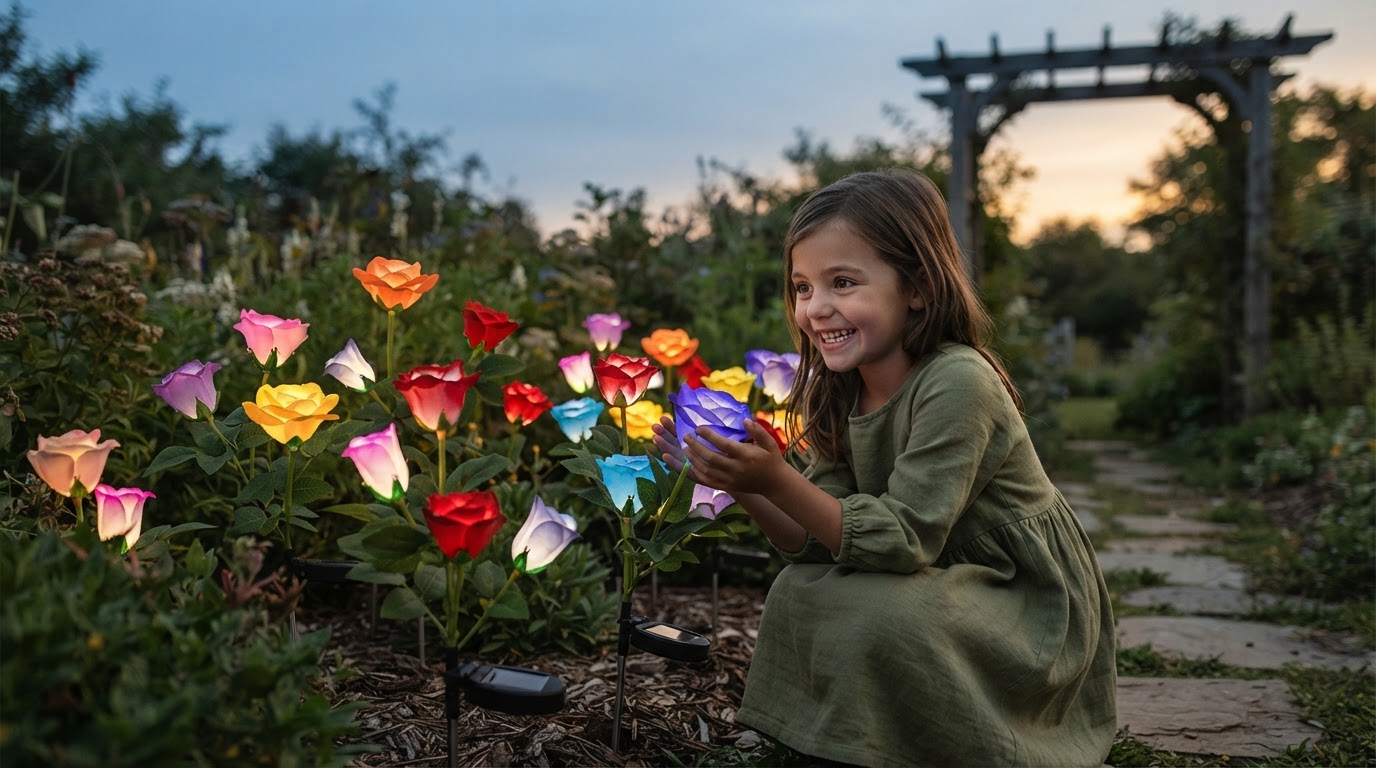
How do I maintain solar Glow Roses for peak brightness?
 Jordan HaleStaff Writer
August 29, 2026 — Regular maintenance of solar Glow Roses requires monthly panel cleaning and seasonal battery checks to ensure the integrated photovoltaic cells convert sunlight at maximum efficiency.
I remember walking through my garden at dusk last Tuesday, noticing how the soft pink petals of my solar Glow Roses seemed slightly dimmer than they were in July. It turns out that even a thin layer of summer dust or pollen can significantly inhibit the energy absorption required for a full night of illumination. Homeowners who invest in decorative solar lighting often overlook these small maintenance steps, which are essential for preserving the vibrancy of the internal LEDs.
How should I clean the panels on solar Glow Roses?
Cleaning the small solar panels on solar Glow Roses is best achieved using a damp, lint-free microfiber cloth to remove debris without scratching the protective surface. The first thing I noticed was how quickly common garden residue—like bird droppings or dried rain spots—creates a film that blocks UV rays from reaching the silicon cells. According to technical specifications for outdoor solar hardware, even a 10% covering of dust can lead to a measurable drop in energy conversion. I find that a gentle wipe once every thirty days prevents the buildup of minerals that can permanently cloud the panel. Avoid using harsh chemical cleaners or abrasive sponges, as these can degrade the waterproof seal discussed in our Waterproof Outdoor Solar Light Buying Guide.
Where is the best placement for solar Glow Roses longevity?
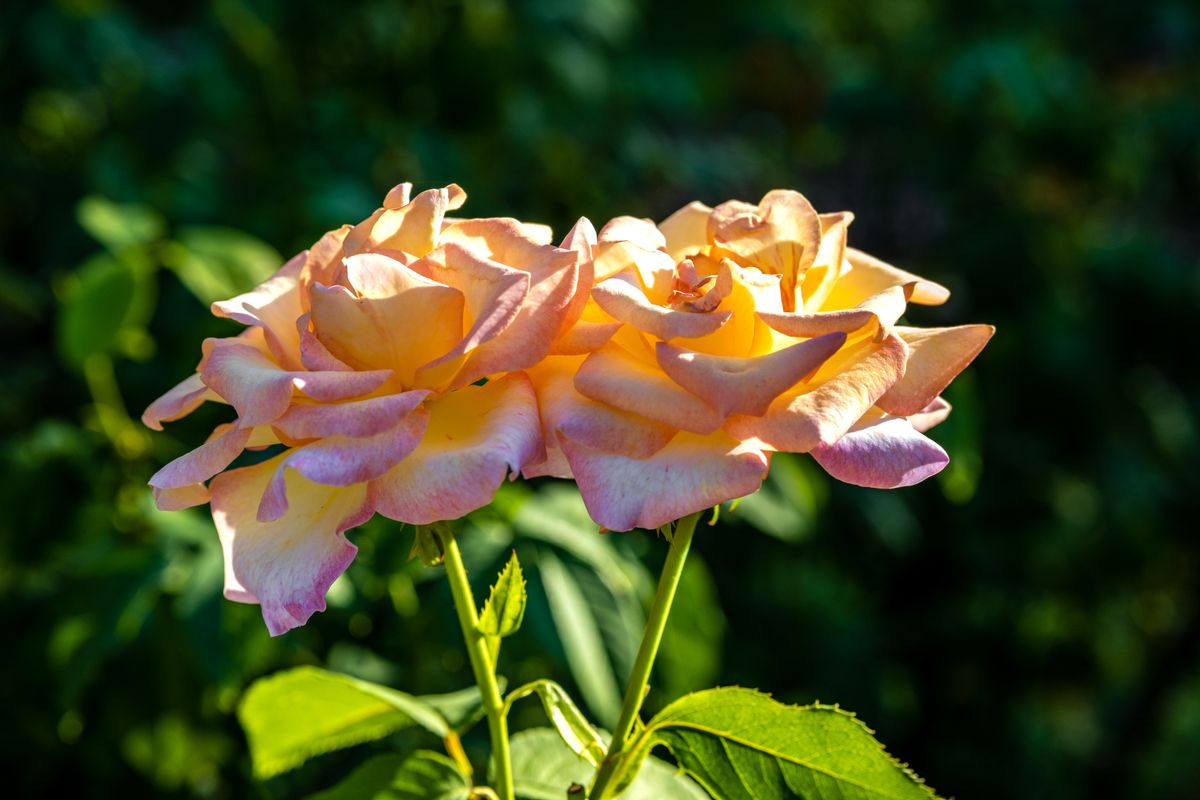
Photo by Connor Scott McManus on Pexels
Solar Glow Roses should be placed in an area that receives at least six to eight hours of direct, unobstructed sunlight daily to maintain the health of the internal rechargeable battery. Somewhere around week two of owning these, I realized that shifting shadows from growing shrubs can drastically reduce the charge time, leading to premature battery failure. It is critical to ensure the roses are not placed directly under powerful streetlights or porch lamps, as the sensors might mistake the artificial light for daytime and fail to activate. Understanding how do color changing solar lights work helps in realizing that the light sensor needs a clear distinction between day and night to trigger the cycle. For those using the best color changing solar rose lights, consistent sun exposure ensures the multi-tonal transitions remain fluid and bright throughout the evening.
Quick answers

Photo by JOSE GALLARDO on Pexels
Q: How often should I replace the batteries in solar Glow Roses? A: The internal Ni-MH batteries typically require replacement every 12 to 24 months depending on local weather cycles. You will know it is time for a change when the roses only stay illuminated for fewer than 3 hours after a full day of sun.
Q: Can solar Glow Roses stay outside during the winter? A: Yes, solar Glow Roses are designed for year-round use, but you should clear snow off the panels immediately to prevent moisture ingress. If temperatures drop below -4 degrees Fahrenheit, it is safer to store them indoors to protect the battery chemistry.
Q: What should I do if my solar Glow Roses stop turning on? A: First, ensure the power switch is in the "on" position and cover the solar panel with your hand to simulate darkness. If the light fails to trigger, clean the panel surface and allow the unit to charge in direct sunlight for 48 hours without turning it on at night.
Learn more about solar Glow Roses at https://solyraglowroses.com.