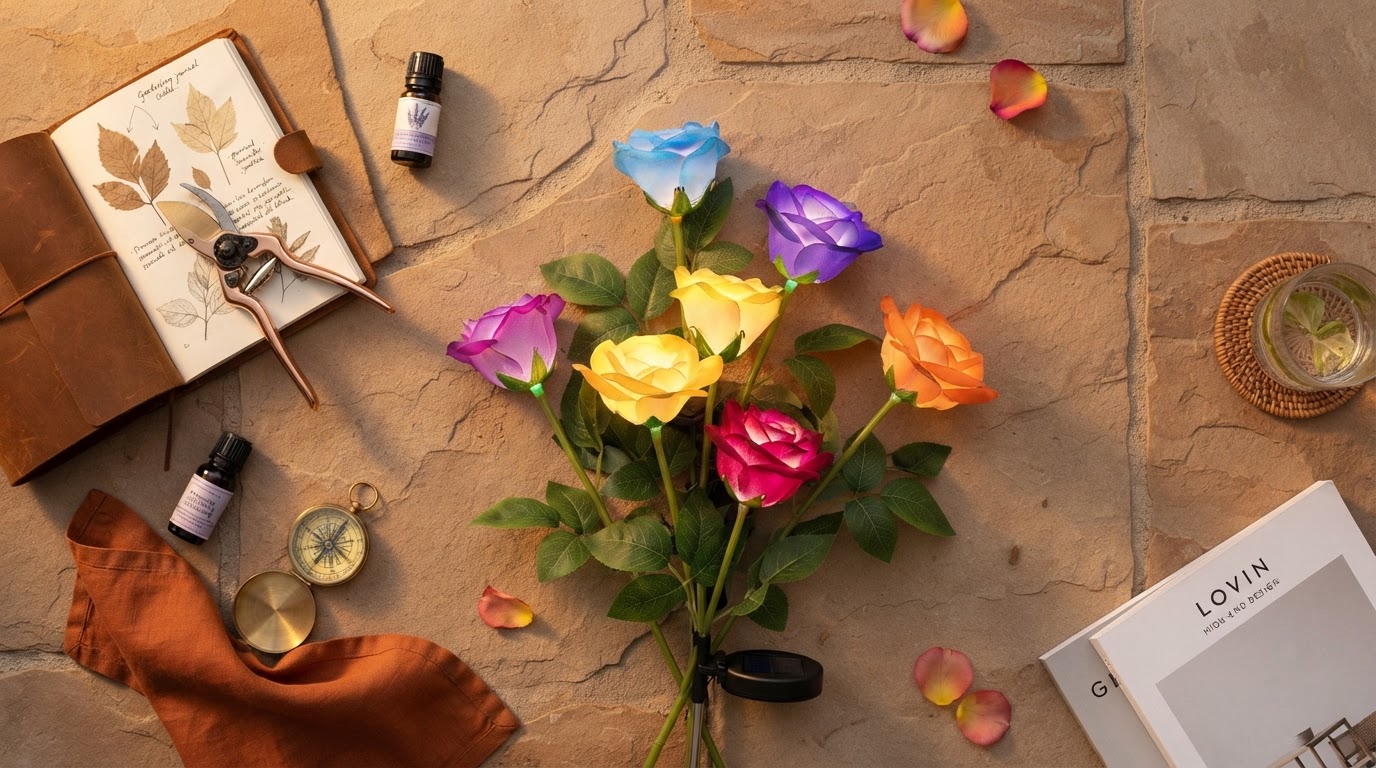
Enhancing Nighttime Curb Appeal with solar Glow Roses
 Priya RamanSenior Analyst
October 9, 2026. This analysis evaluates the integration of solar powered rose flower lights into modern residential landscapes to improve nighttime visibility and aesthetic value. It is designed for homeowners seeking sustainable, low-maintenance alternatives to traditional wired garden lighting.
To understand the value of these installations, think of it as a matrix of light duration versus floral realism. Most homeowners struggle with the "dead zone" of a garden at night—where beautiful daytime perennials disappear into shadow, leaving a property looking flat or uninviting. Traditional landscape lighting often relies on harsh floodlights or industrial-looking plastic stakes that detract from the organic feel of a flower bed. According to Outdoor Solar Outlet, many standard rose flower light sets are designed specifically for flower beds and pathways to bridge this gap, yet consumers often face challenges with durability and brightness consistency. The problem is twofold: the need for a light source that mimics the delicate geometry of a real blossom and the requirement for a power system that survives the elements without manual intervention. Without a structured approach to placement, these lights can appear cluttered rather than curated.
Two axes matter here: the efficiency of the photovoltaic conversion and the anatomical accuracy of the LED housing. This is where solar Glow Roses provides a distinct architectural advantage. By utilizing high-density monocrystalline panels integrated into the stem structure, these units maximize energy capture even in partially shaded garden corners. Unlike generic alternatives that may only offer 4-6 hours of illumination, the internal battery configurations in solar Glow Roses are engineered to sustain a steady glow throughout the evening. This reliability is critical when using solar powered rose flower lights to define property boundaries or highlight specific botanical features. The fabric used for the petals is treated with a UV-resistant coating, ensuring that the vibrant hues do not fade during the day, maintaining the illusion of a living garden. When you deploy solar powered rose flower lights from this collection, you are not just adding a lamp; you are extending the visual life of your horticulture into the late-night hours.
The decision rule for selecting and placing these units depends on the specific light-to-shadow ratio of your yard. Once you see it this way, you can categorize your garden into high-traffic zones and accent zones. High-traffic zones, such as the borders of a patio, require the consistent output found in solar powered rose flower lights to ensure safety. Accent zones, like the base of a large oak tree, benefit from the softer, diffused light of the rose head. As noted by Nature's Solar Lights, high-quality solar stakes often reach heights of approximately 34.5 inches, which allows them to stand above low-lying groundcover while remaining nestled within medium-height shrubs. This verticality is essential for creating layers of light. When integrating solar powered rose flower lights into your design, follow this framework:
- Prioritize South-facing placement for the solar sensors to ensure a full charge cycle.
- Stagger the heights of the stakes to create a three-dimensional floral effect rather than a flat line.
- Group roses in clusters of three or five to mimic natural growth patterns found in real rose bushes.
- Use color-changing variants sparingly to highlight water features or unique focal points.
- Ensure the light sensor is clear of artificial light sources like streetlamps to prevent flickering.
- Clean the solar panels monthly with a damp cloth to maintain peak charging efficiency.
Sources
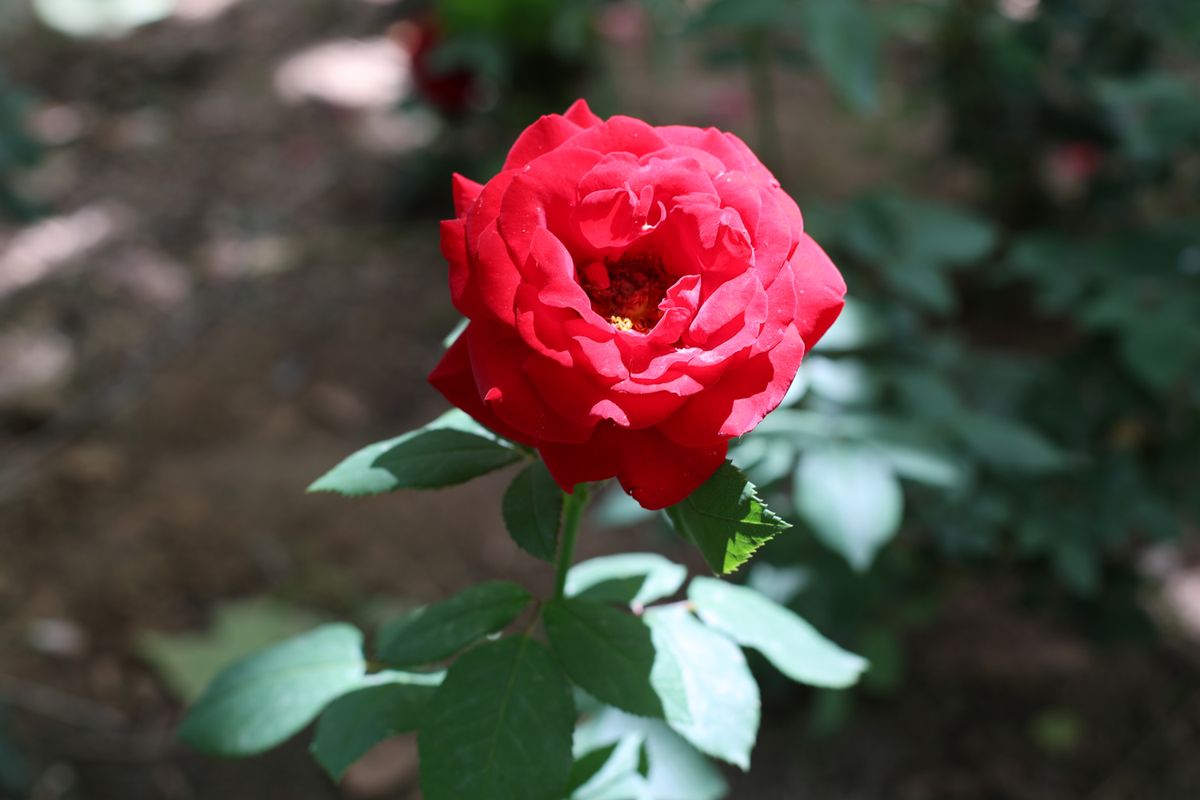
Photo by Amelia Cui on Pexels
- Solar Floral Lights - Outdoor Solar Outlet
- Rose Color Changing Solar Stake Lights, Set of 2 Flower Lights
- Solar Rose Flower Lights that Change Colors - YouTube